Contents
Not every website that looks a bit tired actually needs a full website redesign, since sometimes a smaller update solves the real problem. But there are a few genuine signs worth taking seriously, and if several of them apply to your site, it's worth having the conversation properly rather than patching around it indefinitely. If you're not sure which of them apply, a free website audit will tell you where your current site actually stands before you commit to anything.
Key takeaways
- A tired-looking site doesn't always need a full redesign, a smaller targeted fix is often enough if only one or two signs apply.
- A redesign that only changes the visuals without fixing navigation or content usually just produces a nicer-looking version of the same problem.
- Plan the structure before the visuals, design comes after the page paths make sense, not before.
- An outdated site fails quietly, a few more bounces, a few more enquiries lost to a competitor, not as one obvious event.
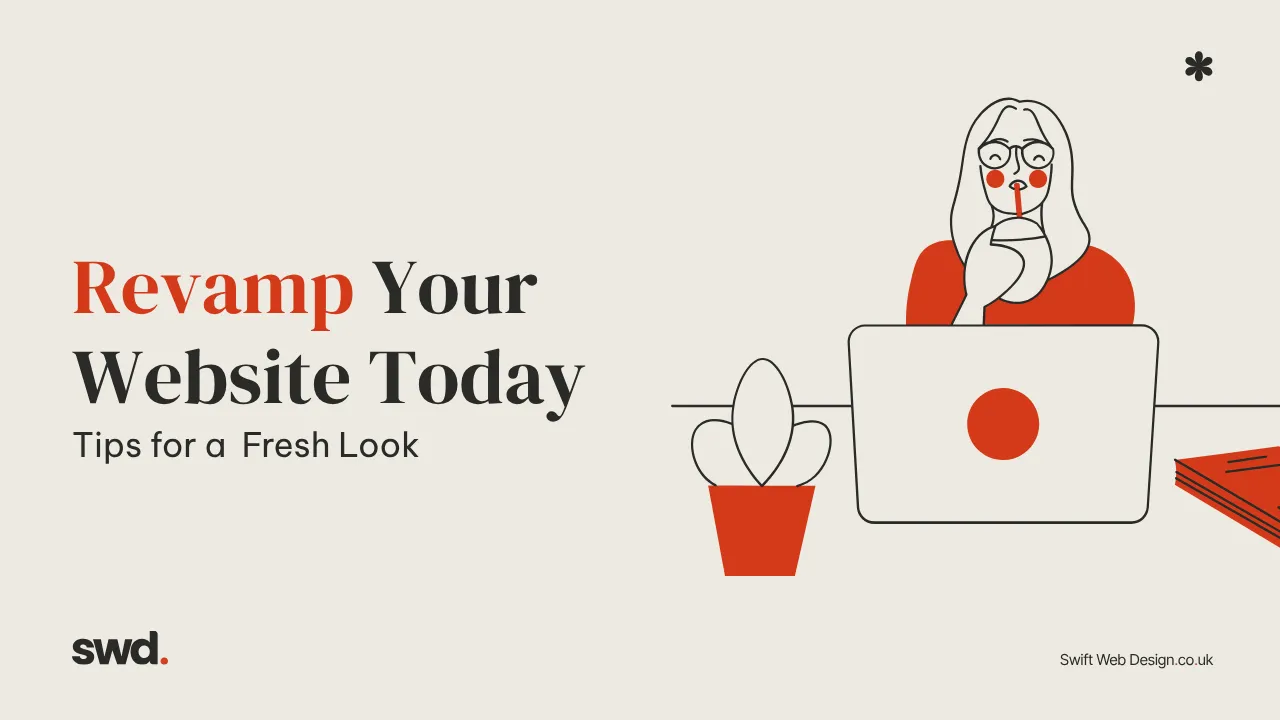
Website redesign signs worth paying attention to
- It doesn't work properly on a phone. If your layout was designed for desktop first and mobile is an afterthought, you're losing a large share of visitors before they've read anything.
- People land and leave quickly. A high bounce rate usually means something specific is wrong, slow loading, confusing navigation, or content that doesn't match what the visitor was searching for.
- Visitors aren't turning into enquiries. Traffic without conversions is often a sign of unclear calls to action or a confusing path through the site, not a traffic problem at all.
- It's not showing up in search any more. If competitors are outranking you and your site hasn't meaningfully changed in years, outdated structure and stale content are the likely cause.
- It genuinely looks dated. Design trends shift, and a site that visibly hasn't been touched in five years can read as a business that might not be actively trading either, fairly or not.
Nielsen Norman Group's research on first impressions found visual judgements form almost instantly and rarely change afterwards, which is exactly why a dated design costs you more than it looks like it should.
What a proper website redesign actually changes
Done well, a redesign should make navigation more intuitive, tighten up your calls to action, and give the site a structure that search engines can actually make sense of. None of that is guaranteed just from a fresh coat of paint, a redesign that only changes the visuals without fixing the underlying navigation or content usually just produces a nicer-looking version of the same problem.
How much of the old site is worth keeping
Not everything needs to change. Content that's still ranking well, even on a dated-looking page, is worth carrying across rather than rewriting from scratch out of habit, a redesign can quietly lose real search traffic if pages get renamed or removed without redirects in place (our technical SEO fixes guide covers redirects and the other technical basics worth checking before you touch anything). The visuals, structure and navigation are usually what's actually stale. The content underneath, and whatever's already ranking, is worth auditing properly before deciding what to keep.
Worth being wary of
Chasing every current design trend for its own sake, heavy animation, AI-generated content blocks, immersive 3D product views, isn't worth it unless it genuinely serves your customers. Most small businesses get more from a fast, clear, mobile-friendly site than from anything flashy. One trend that is worth taking seriously: content structured to answer questions directly, since more searches now get answered by an AI summary before a user ever clicks through, and clear, direct answers are what those systems tend to pull from, our guide to answer engine optimisation covers how to structure content for exactly that.
How to approach it properly
- Look at what's actually happening now. Google Analytics and Search Console will show you where visitors are dropping off and which pages aren't ranking, rather than guessing (our guide to measuring SEO performance covers what to actually look at).
- Set a specific goal. More enquiries, better rankings, a clearer brand, pick one or two, not everything at once.
- Know who you're actually designing for. A site aimed at busy tradespeople needs different priorities to one aimed at browsing consumers.
- Check what competitors are doing well, not to copy them, but to see what visitors in your market already expect.
- Plan the structure before the visuals. Map out the pages and the path through them first, design comes after the structure makes sense, not before.
- Test properly before launch on real phones and tablets, since a desktop browser resized down behaves differently.
What happens if you leave a website redesign too long
An outdated site doesn't fail dramatically. It fails quietly: a few more visitors than usual bounce, a few more enquiries than usual go to a competitor with a clearer site. None of it shows up as a single alarming event, which is exactly why it's easy to keep putting off. If several of the signs above genuinely apply to your site, that's usually the point where it's worth acting rather than waiting for a clearer signal that may never come.
Frequently asked questions
How do I know if I need a redesign or just a smaller update?
If only one or two of the signs above apply, a smaller, targeted fix is usually enough. It's when several apply at once, mobile usability, conversion, rankings, that a proper redesign earns its cost.
Will a redesign definitely improve my search rankings?
Not automatically. A redesign that only changes the visuals without fixing navigation, content or technical issues underneath usually just produces a nicer-looking version of the same ranking problem.
How long does a proper website redesign take?
It depends on scope, but planning the structure before the visuals, and testing properly across real devices before launch, both take genuine time. Rushing either step tends to just recreate the same problems in a new design.
Need a website that works this hard?
We design fast, findable websites for UK small businesses. Clear pricing, no jargon.